DISCOUNT PRICE ! ONE TIME PAYMENT ! start from only 29.00 $ !

Breaker Blocks vs Order Blocks: Key Differences Explained
Breaker Blocks vs Order Blocks | Key Differences Explained –'' TRBO ALGO''! Learn the difference between breaker blocks and order blocks in trading. Discover how TRBO ALGO helps traders identify institutional zones, market structure shifts, and high-probability setups.
1/18/20264 min read
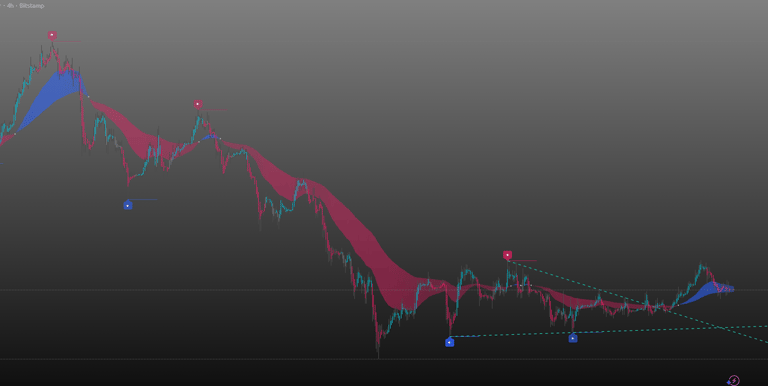
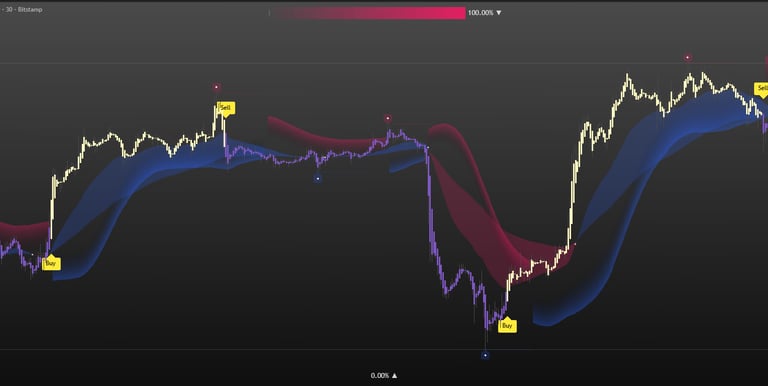
Technical Analysis | TRBO ALGO
Understanding the difference between breaker blocks and order blocks can significantly improve your trading strategy. These price action concepts help traders align with institutional behavior, identify high-probability zones, and adapt to changing market conditions.
This guide is written for traders using TRBO ALGO tools and indicators, and it is fully optimized for www.trboalgo.com.
Why Breaker Blocks and Order Blocks Matter
Smart money leaves footprints on the chart. Breaker blocks and order blocks are two ways traders interpret those footprints to anticipate price behavior.
Order Blocks help traders follow institutional flow in trending markets.
Breaker Blocks help traders detect failed institutional levels and potential market reversals.
Using both concepts together provides a complete view of market structure.
Quick Comparison: Breaker Blocks vs Order Blocks
AspectOrder BlocksBreaker BlocksFormationInstitutional accumulation or distributionFailed order blocks after structure breaksPurposeSupport trend continuationSignal reversals or price shiftsMarket RoleInstitutional entry and exit zonesMarket structure change zonesBest ConditionsStable, trending marketsVolatile markets with sharp movesReliabilityStrong in clear trendsStrong after confirmationStop LossJust outside the order blockJust outside the breaker block
Key Takeaway: Use order blocks to trade with institutions. Use breaker blocks to trade failed institutional levels.
What Are Order Blocks?
Order blocks are price zones where institutions place large buy or sell orders. These zones often act as strong support or resistance when price revisits them.
Types of Order Blocks
Bullish Order Block: The last bearish candle before a strong upward move
Bearish Order Block: The last bullish candle before a strong downward move
When price returns to these zones, reactions often occur due to remaining institutional interest.
Best Markets for Order Blocks
Forex
Crypto (Bitcoin, Ethereum)
Indices (S&P 500, NASDAQ)
Futures
Higher timeframes such as H4, Daily, and Weekly provide the most reliable order blocks.
What Are Breaker Blocks?
Breaker blocks form when an order block fails.
This failure signals a shift in market structure, often following a liquidity sweep or false breakout.
How Breaker Blocks Work
A bullish breaker block forms from a failed bearish order block and acts as support
A bearish breaker block forms from a failed bullish order block and acts as resistance
These zones frequently mark reversal areas or continuation after manipulation.
Higher timeframe breaker blocks tend to be more reliable and should always be traded with confirmation.
How Order Blocks and Breaker Blocks Form
Formation of Order Blocks
Order blocks develop during accumulation or distribution phases and typically include:
A liquidity sweep
A strong impulse move
Unfilled price imbalance
They usually appear near major highs or lows and are supported by high trading volume.
Formation of Breaker Blocks
Breaker blocks appear when:
Price breaks an existing order block
Market structure is invalidated
Price retests the failed zone
This retest confirms that support has flipped to resistance or vice versa.
Formation Comparison Table
FeatureOrder BlocksBreaker BlocksOriginInstitutional ordersFailed institutional levelsMarket StateTrendingVolatile or manipulatedTriggerAccumulation or distributionLiquidity hunt and invalidationRetestOften untouched initiallyRetested after failureStructural ImpactCreates new highs or lowsSignals structure shift
Trading Applications: When to Use Each
Using Order Blocks for Trend Continuation
Order blocks perform best when markets show clear directional bias.
Trading Steps:
Identify trend direction
Mark untested order blocks
Wait for price retest
Enter on rejection
Place stop loss beyond the zone
Risk–Reward: Minimum 2:1
Using Breaker Blocks for Reversals
Breaker blocks are ideal after:
False breakouts
Stop hunts
Market structure breaks
Trading Steps:
Identify a failed order block
Confirm structure shift
Wait for retest and rejection
Enter after confirmation
Risk–Reward: Preferably 3:1
Trading Application Comparison
AspectOrder BlocksBreaker BlocksStrategy TypeTrend continuationReversal or continuationTrader ProfileBeginner to advancedIntermediate to advancedTimeframesH4, DailyMulti-timeframeMarket TypeClean trendsVolatile markets
How to Identify Them on Charts
Identifying Order Blocks
Look for:
Consolidation before a strong move
Engulfing candles
High volume areas
Unfilled price zones
Higher timeframes improve reliability.
Identifying Breaker Blocks
Look for:
Order block failure
Strong breakout followed by reversal
Retest with rejection
Support–resistance role flip
When to Use Breaker Blocks vs Order Blocks
Breaker Blocks Work Best When:
Market is volatile
Liquidity hunts are present
Structure shifts occur
Best for day traders and scalpers.
Order Blocks Work Best When:
Market is trending
Institutional flow is clear
Volume supports the move
Best for swing and position traders.
TRBO ALGO Price Action Concepts
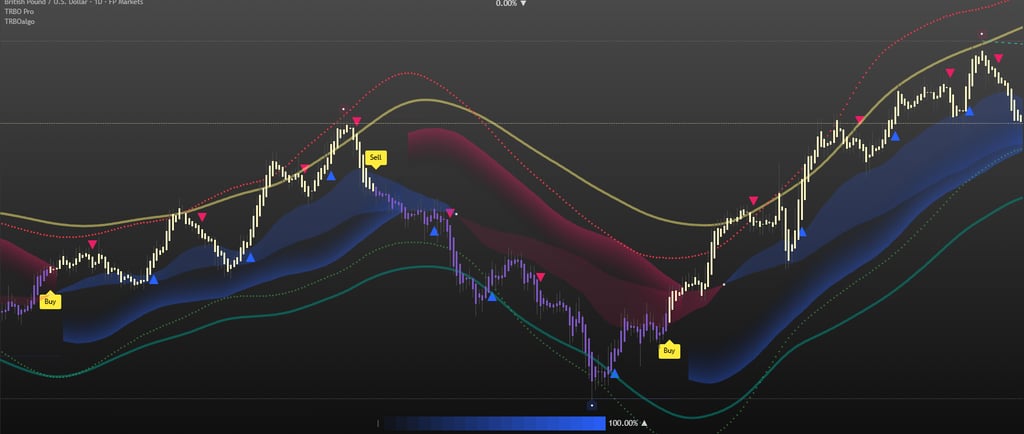
The TRBO ALGO Price Action Concepts toolkit automatically detects order blocks and breaker blocks on TradingView.
Key Features
Bullish and bearish zone detection
Market structure shift identification
Multi-timeframe filtering
Adjustable sensitivity settings
These tools help traders eliminate guesswork and focus on high-probability setups.
Conclusion
Breaker blocks and order blocks are powerful tools when used correctly.
Use order blocks to trade with institutions in trending markets
Use breaker blocks to capitalize on failed institutional levels and reversals
Always apply confirmation, proper risk management, and multi-timeframe analysis. Combining both concepts can provide precise entries while staying aligned with the broader market structure.
Practice with TRBO ALGO tools before risking capital.
FAQs
What timeframe works best for order blocks and breaker blocks?
Higher timeframes such as H4, Daily, and Weekly offer the most reliable zones. Lower timeframes require more confirmation.
Can breaker blocks and order blocks be used together?
Yes. Many traders use order blocks to define trend bias and breaker blocks for precise entries after structure shifts.
Are these concepts beginner friendly?
Order blocks are easier for beginners. Breaker blocks require a stronger understanding of market structure and liquidity.
TRBO ALGO – Trade with Structure, Not Emotion
Enhance your trading with our NON REPAINTED premium indicators !
Fully customized tool !
© 2026. TRBO algo .All rights reserved.
DISCLAIMER:Trading carries significant risks and may not be suitable for all investors. Leveraged trading has the potential to magnify both gains and losses, making it crucial to comprehend the risks associated with trading on margin fully. The information provided by TRBO Algo is intended for informational purposes only and should not be considered as financial advice. We strongly advise seeking guidance from qualified financial professionals before making any investment decisions.It is essential to recognize that trading outcomes are not guaranteed and carry inherent risks. By using our products and services, you agree that TRBO Algo will not be liable for any losses or damages that result from your investment choices. This disclaimer serves to clarify that we do not make any assurances or guarantees regarding investment success or profitability. You acknowledge and assume full responsibility for all trading decisions you make.